No extra bottleneck
Non-intrusive inline inspection when production continuity matters as much as detection accuracy.

Curf Industry
Curf helps manufacturers validate and deploy machine vision without turning inspection into a production bottleneck. Our approach combines Synigen, optical validation and non-intrusive inline concepts for complex industrial environments.
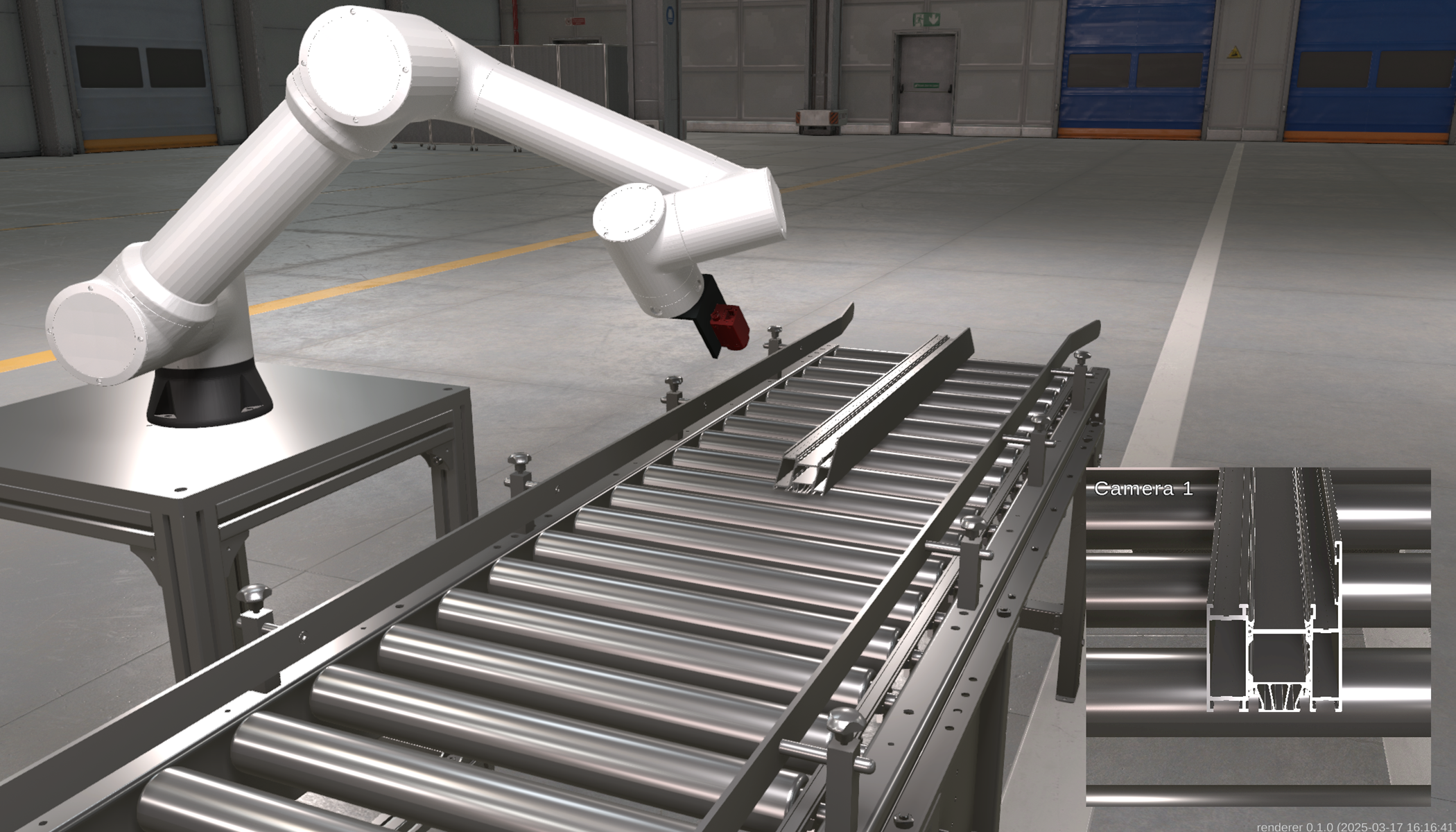
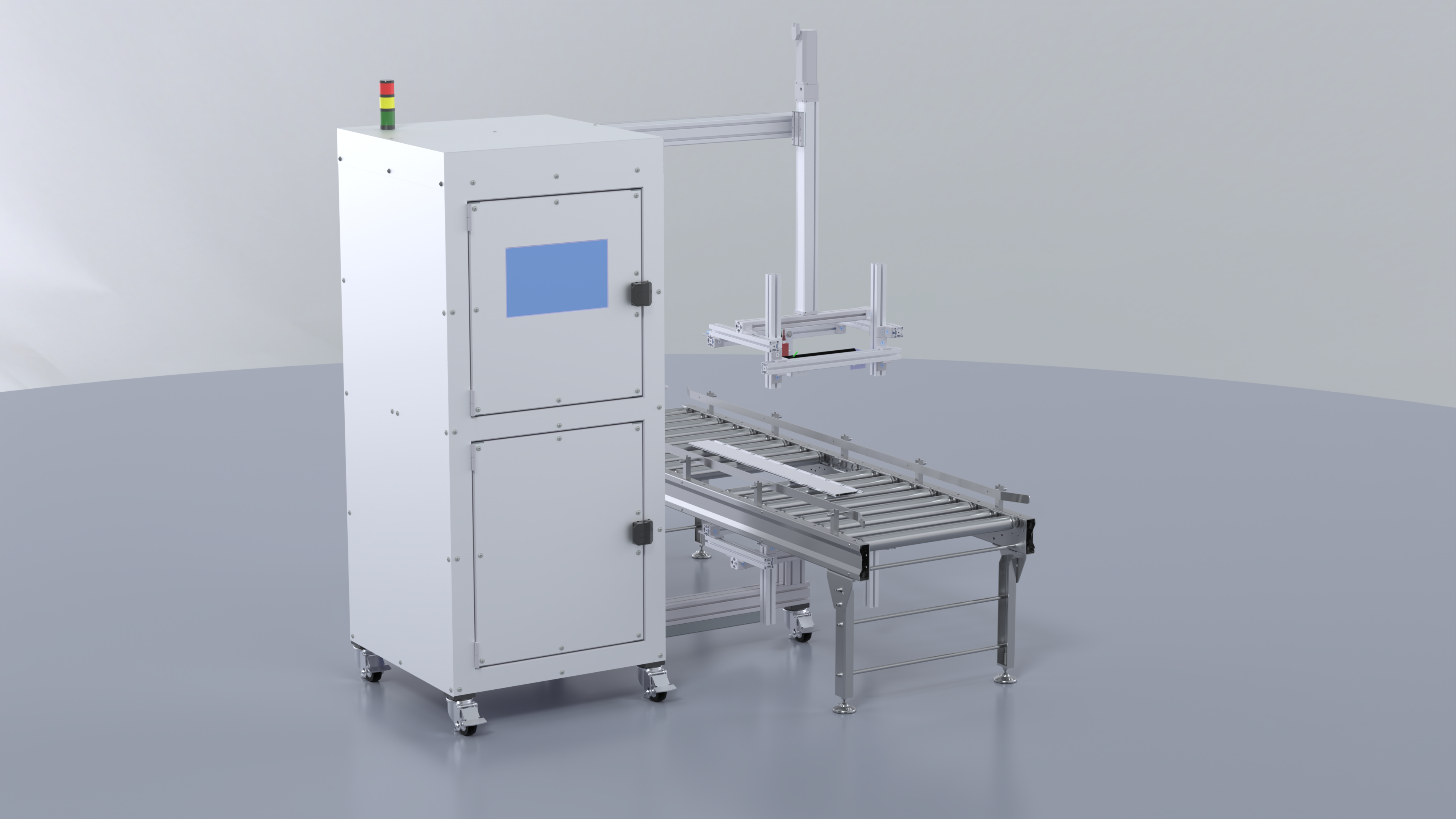
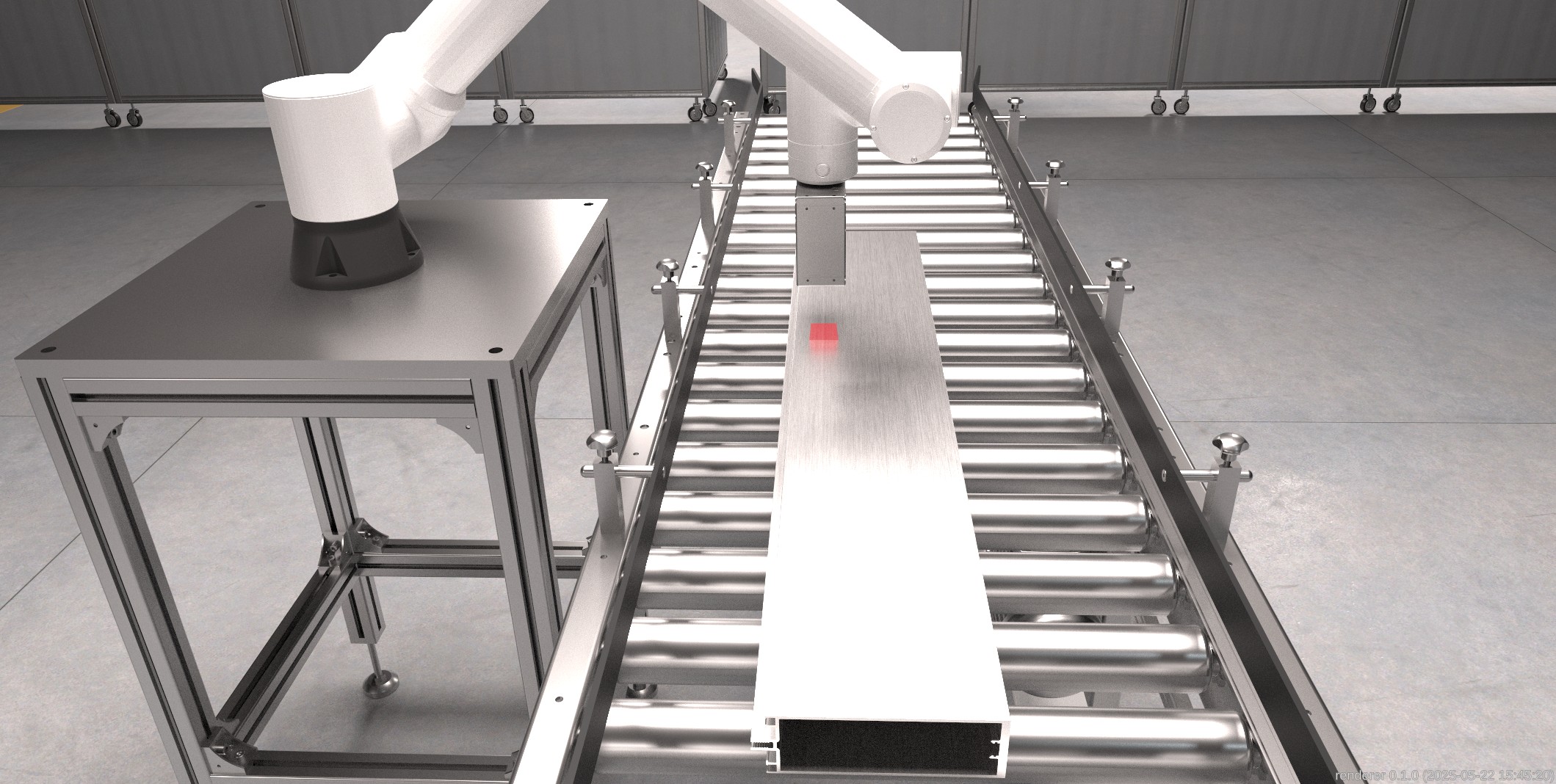
Why it matters
The biggest challenge is rarely initial interest. It is the jump from curiosity to a decision that operations, quality and management can approve. Curf reduces that friction by focusing on one line, one defect family and one measurable next step.
Non-intrusive inline inspection when production continuity matters as much as detection accuracy.
Camera, lens and lighting studies are validated on real pieces and defects, not only in slideware or model demos.
From object recognition to positioning logic, every step is shaped around what a plant can actually validate and approve.
Core offer
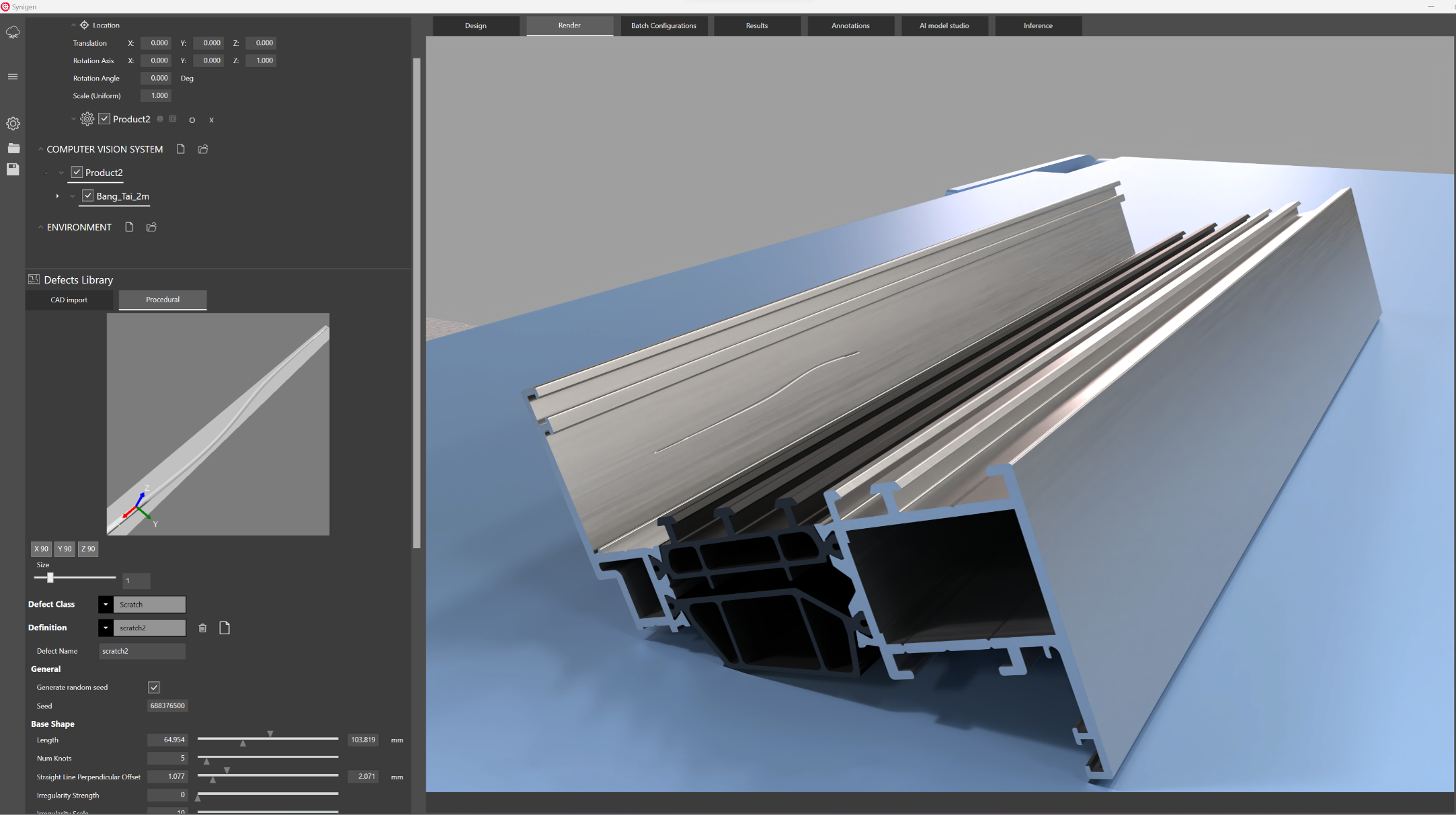
Generate realistic training and validation data from CAD geometry, configurable defect types and production-like optics.
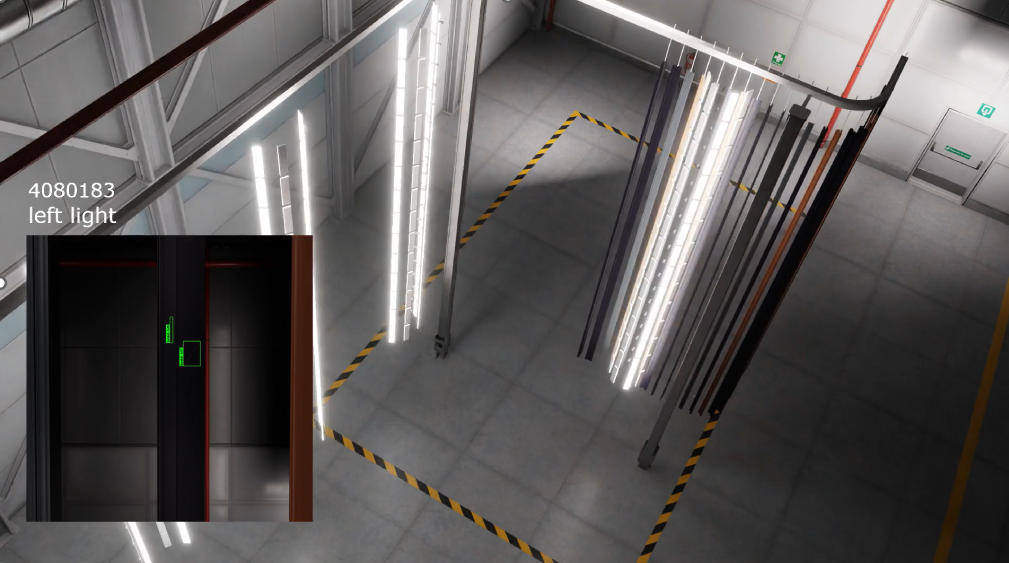
Test the right camera, lens and lighting combinations for the real material, finish and defect families on your line.

Translate AI output into a workable inline setup with object recognition, positioning logic and production-fit inspection architecture on blanc or painted surfaces.
Focused use cases
The project work showed clear value in two concrete routes: complete inline defect detection, and laser-based profile inspection for defect detection on micron scale.
What customers need
Define the defect family, line constraints, target KPIs and available data or samples.
Use simulation and real validation to check detectability, positioning logic and practical inspection setup.
Move forward with a clearer business case, lower integration risk and a more precise implementation scope.
Next conversation
We can start from one production pain point and work toward a decision-ready feasibility or pilot scope.